Service Opportunity
Exploring Opportunities to Support Education in Serbia
From David Bernard
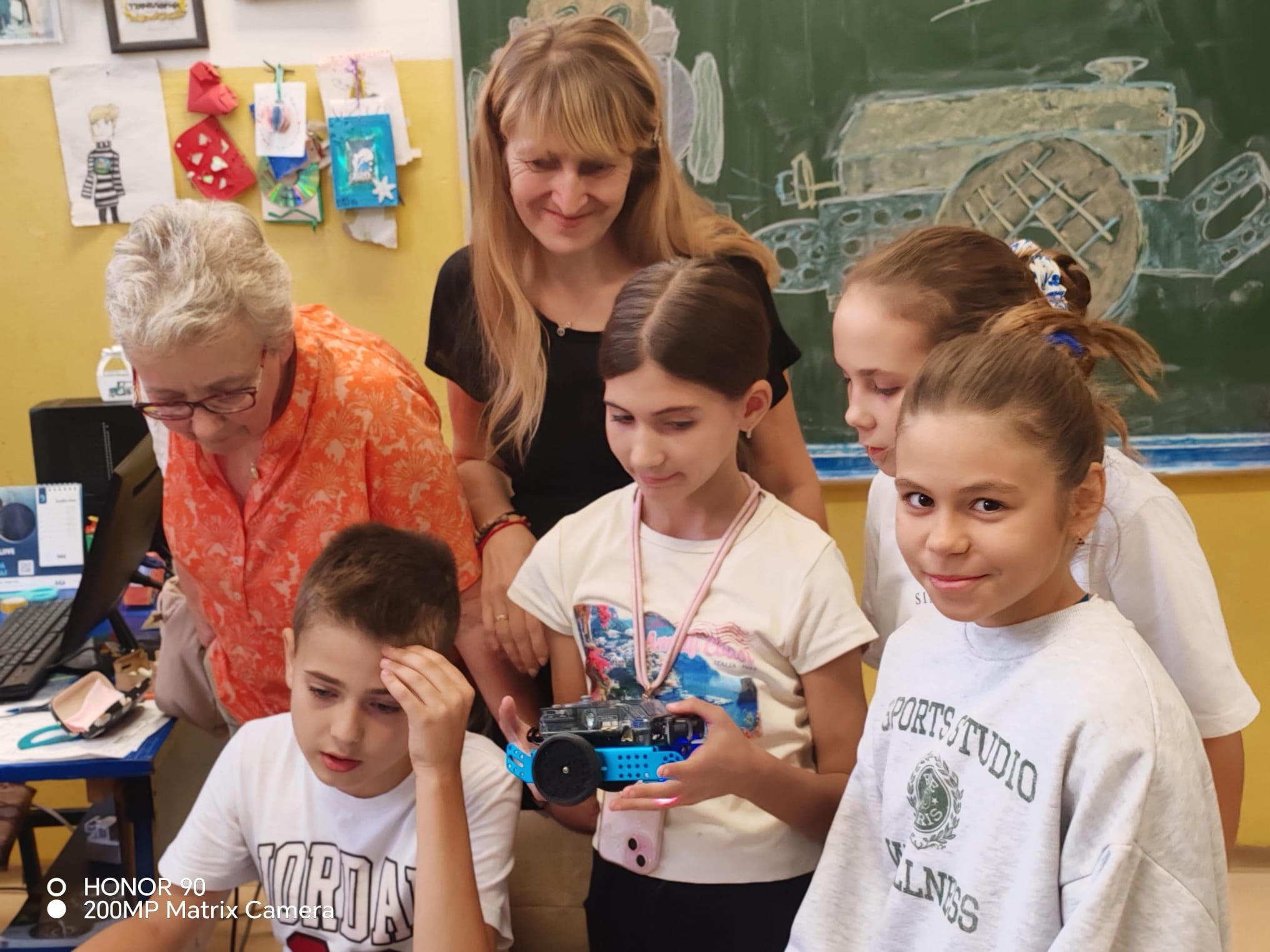
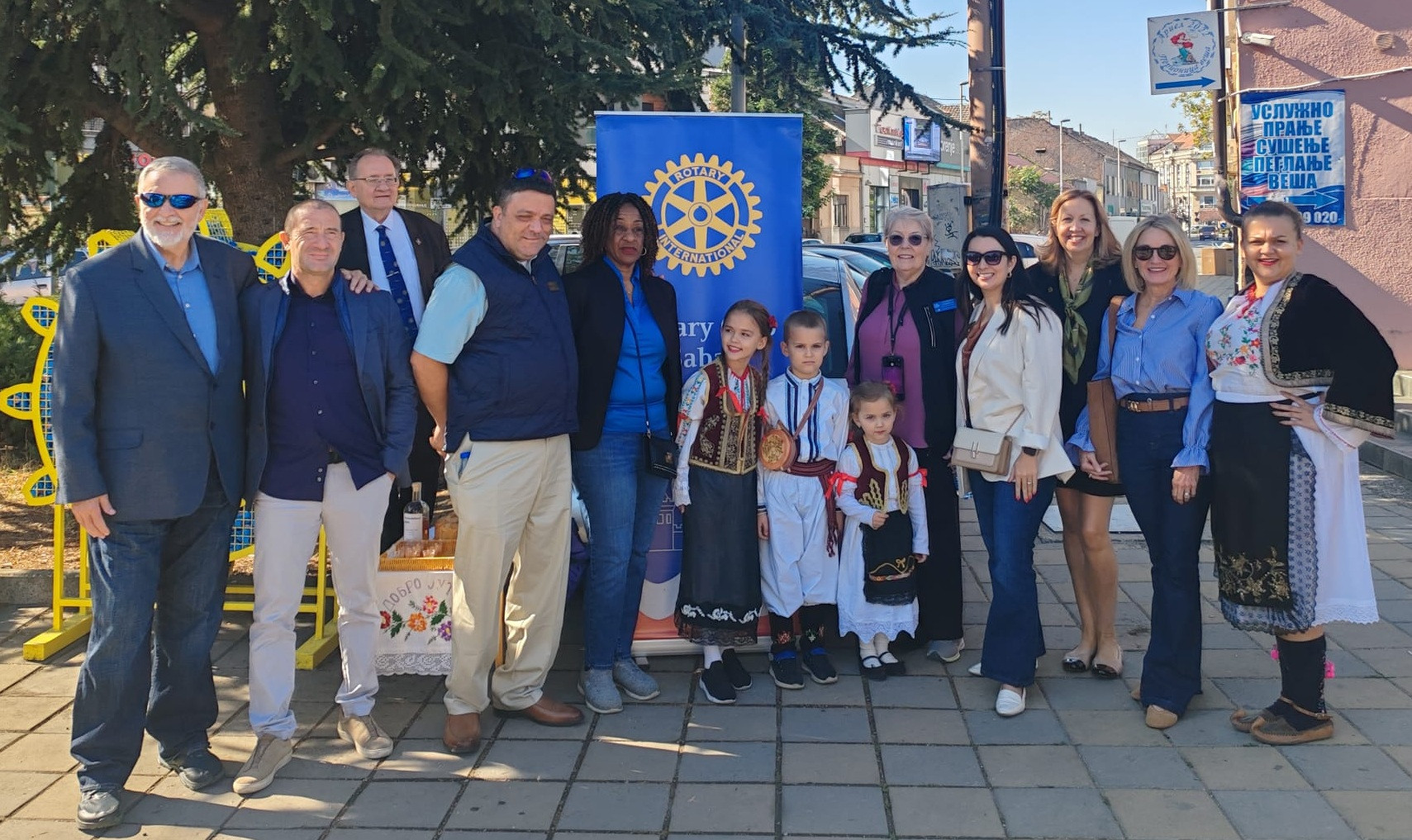
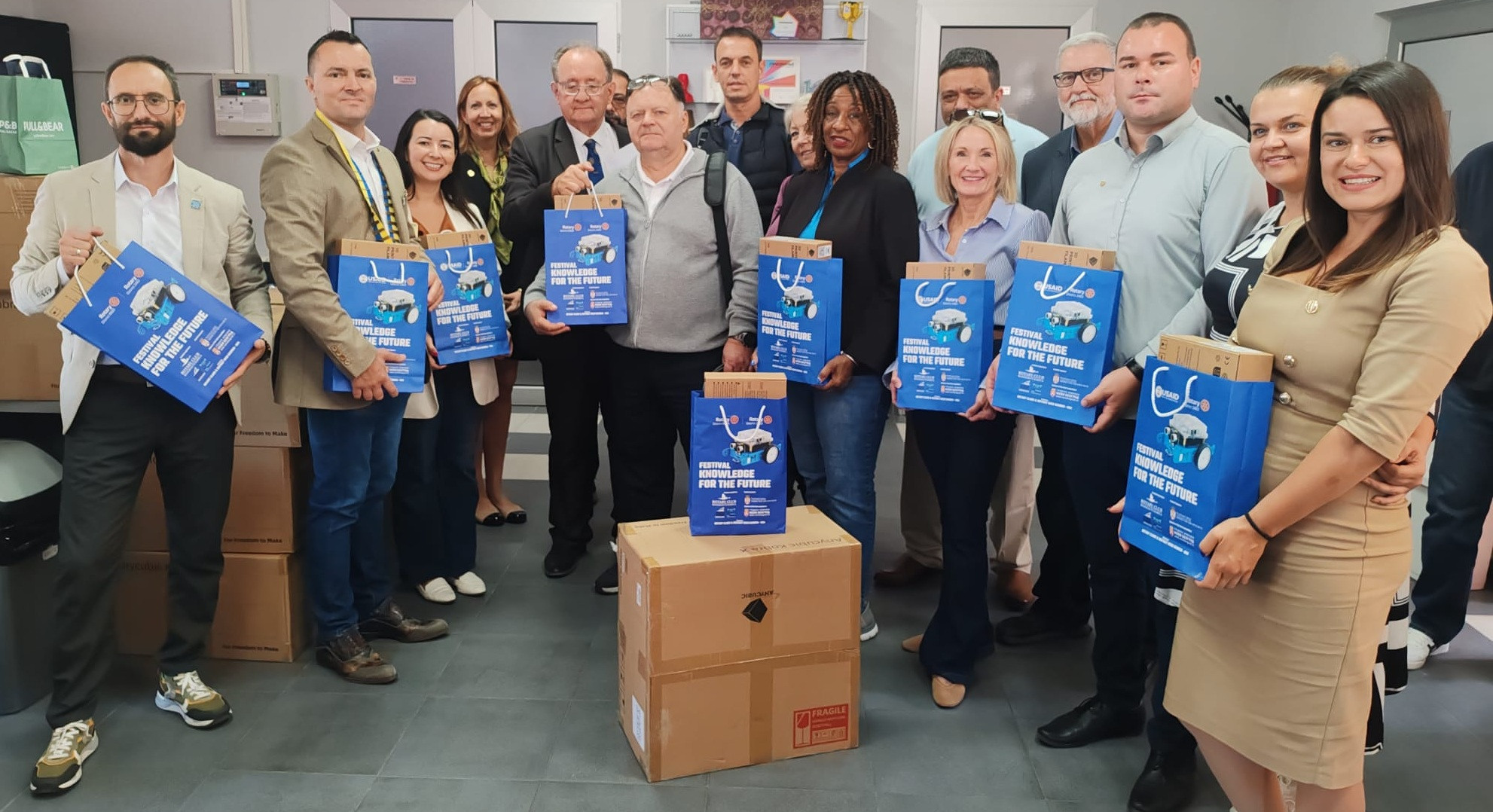
During his October 1–13, 2026, trip to Serbia, Dave Bernard represented District 6900 on a Georgia–Serbia Rotary Intercountry Committee delegation of seven Rotarians representing all three Rotary districts in Georgia. Here's what he had to say about opportunities to help support education in Serbian Schools.
At Filip Kljajić Fića Primary School in Belgrade, I watched and spoke at length with two high school students helping younger pupils learn robotics. Later, at a technical school in Ruma, an articulate high school robotics student explained his program and what he was learning. I saw young people practicing exploration, invention, and communication.
In Šabac, kindergarten children boisterously explored activities alone and in small groups, learning from one another. Teachers moved among them as mentors and guides, encouraging curiosity and helping them discover things for themselves.
This approach, with children exploring and teachers mentoring, is exactly the direction education should take in a world shaped by AI. Children need to ask good questions, evaluate answers, test ideas, exercise judgment, and work with others.
Here was something worth supporting: students learning useful skills and passing them on. I came home convinced that we can help more Serbian children become capable, curious problem-solvers. I want to help expand this work, and I hope you or your club will join me.
My Serbian Rotary host, Vladimir “Vlada” Matić of the Rotary Club Beograd Čukarica, is seeking approximately $30,000 to $40,000 in additional support to continue deploying educational resources in Serbia.
Our visits included seven schools and kindergartens and six faculty-training sessions across seven days, involving more than 100 faculty members. We helped deliver 3D printers and robotics equipment. Igor, a highly capable, dedicated roving trainer, led workshops repeatedly as we moved between cities. In Novi Sad, we carried printers and robots into the Rotary club’s rooms for faculty training.
The work combines elementary-school robotics and 3D printing with movable furniture and technology for kindergartens, supported by teacher training.
Now in its fifth year, the program has implemented 12 Global Grants for digital educational equipment, totaling more than $800,000. Kindergarten equipment projects have received more than $350,000 in funding. More than 50 U.S. Rotary clubs have participated in or supported the projects.
Feet on the ground have been, and continue to be, essential to these programs' success. I met Rotarians from clubs across Serbia and Montenegro, including club presidents and past, current, and future district governors. We attended the joint meeting of Belgrade and Pančevo clubs in Belgrade and the Smederevo club’s charter-anniversary celebration. Local Rotarians knew the schools and organized equipment delivery and training. Government agreements cover schools and kindergartens, and the Ministry of Education approves accredited teacher-development seminars. Schools receive initial 3D-printing filament; further supplies can come from prizes, commitments from some local clubs, or school and municipal budgets. Contributors can build on these relationships and practical experience.
I see this as a compounding investment that changes lives. A teacher can use new skills with successive classes. A student can help another student, as I saw in Belgrade. Curiosity, confidence, and problem-solving can open possibilities well beyond a single lesson.
Working alongside Serbian Rotarians gives clubs and individuals a concrete way to serve overseas and deepen goodwill between our countries. That is Rotary’s mission of service, international understanding, goodwill, and peace in practice. Visiting Rotarians learn, too; the generosity and enthusiasm of the people we met stayed with me.
Much has been accomplished, and more work remains. If you or your club would consider contributing, or would like to discuss the opportunity, please contact me - Dave Bernard, by phone at (678) 283-4283 or by email at dbernard@intellectiongroup.com. I would be glad to answer your questions and connect you with Georgians and Serbians who can share current project details, funding priorities, and giving arrangements.
November 22, 2026
Comments
This Year’s Posts:
- Nov 22: Roswell Hosts Farm Day for First Responders
- Nov 22: Exploring Opportunities to Support Education in Serbia
- Nov 22: Let's Finish The Year Strong
- Nov 22: Your Foundation Dollars at Work + Year-end Tax Tips
- Nov 20: Give the Gift of RYLA
- Nov 20: Blakely Rotarian Leads Efforts to Improve Rural Education
- Nov 20: Bridging the Gap Sends 250 Families Home with Two Weeks of Food
- Nov 20: Closing the Gap to End Polio!
- Oct 31: Join Us in Asheville Next April
- Oct 31: Ready to Serve - A New Way to Provide Financial Support for Disasters
- Oct 31: Don't Wait - Join Us in Barcelona!
- Oct 31: Service, Leadership and the West End
- Oct 30: North Cobb Sponsors The Extension's Lucky Dog Race for Recovery
- Oct 30: Check Out the November GRSP Connect!
- Oct 30: Celebrating The Rotary Foundation ... And All of You
- Oct 30: Newnan Learning Moments: Five Minutes Before the Speaker
- Oct 29: Grow Yourself, Grow Your Club
- Oct 29: Get Up To $5000 In Grant Funding
- Oct 27: Peace Pole Dedication at Warm Springs on World Polio Day
- Oct 27: North Columbus Hosts Dine to Donate Event
- Oct 26: Columbus Welcomes Muscogee Nation Leader
- Oct 26: Connect & Grow: Upcoming D6900 Rotary Means Business Events
- Oct 26: Meet the Voices Behind the Story - This Wednesday, Nov. 4
- Oct 26: Coffee, Conversation and Community Connections
- Oct 26: NAPA Shares the Rotary Story on World Polio Day
- Oct 24: A Story of Promise: Writing the Final Chapter to End Polio!
- Oct 24: Foundation Month: Time to Celebrate "We Are Family!"
- Oct 24: Wishing Our India Ambassadors Safe Travel
- Oct 22: RYE Students Enjoy Behind-the-Scenes Look at Delta Air Lines
- Oct 21: Charity Meets the Need. Equity Asks Why.
- Oct 21: Generations Gather in Henry County to Celebrate Peace, Unity and Community
- Oct 20: From Georgia to Europe: GRSP Friendships Last a Lifetime
- Oct 20: Power of Matching Makes Even More of a Difference
- Oct 19: Multiple Partners Sustain & Enhance a Global Grant Project
- Oct 19: North Fulton Raises the Roof with Habitat for Humanity!
- Oct 19: Support Be the Voice Program in Our Schools
- Oct 19: Tyrone Founders Day 5K Supports Local Community!
- Oct 19: Peachtree City Wins 2026 Citizens Choice Award
- Oct 19: Peachtree City Celebrates Miss Georgia 2026 and Her Service Initiatives
- Oct 7: NAPA's Royal International Ball Returns, Bigger Than Ever
- Oct 7: NAPA Rowtarians Take on the Atlanta Dragon Boat Race
- Oct 7: Dougherty County Brings Books to Community Center
- Oct 1: Introducing GRSP Connect Newsletter
- Oct 1: 29th Annual Mayor’s Corporate Challenge Breaks Records in Alpharetta
- Sep 30: Domestic Violence Awareness Month
- Sep 30: Growing Membership: Increasing Rotary’s Impact
- Sep 30: October ... A Time to Celebrate, Consider Opportunities and Act
- Sep 30: Rotary Means Business Returns to D6900
- Sep 30: Muscogee-Columbus Hosts Oyster Roast
- Sep 28: Atlanta Southern Crescent: Where Tacos Meet Self-Defense!
- Sep 27: Find Your Voice: Why Every Rotarian Should Attend RLI
- Sep 27: Every Act of Service is an Act of Peace
- Sep 27: A Rotary Legacy Four Generations Strong
- Sep 27: Are You Barcelona Bound?
- Sep 27: Two Rotarians. Two Cultures. One Conversation.
- Sep 27: More Than 350 Million Reasons to Give to The Rotary Foundation ...
- Sep 27: World Polio Day - October 24!
- Sep 27: Nominations for 2029-2030 District 6900 District Governor Due By 10/31
- Sep 26: North Cobb - Where Service Meets Social
- Sep 26: North Cobb Joins 9/11 Field of Flags
- Sep 26: Roswell Responds to Michigan Rotarian Request for Help
- Sep 26: Countdown to GLL Founders Day Celebration
- Sep 25: Atlanta West End: Service Above Self on the Westside BeltLine
- Sep 25: Vinings Cumberland Helps Bring Tandem Cycling to Blind Athletes
- Sep 23: We Can Help! Forty Clubs Share Easy Polio Initiatives
- Sep 23: Emory Druid Hills Grant Equals More Than School Supplies
- Sep 4: Maciej Derecki Continues a GRSP Legacy in Newnan
- Sep 3: Henry County Turns Used Medical Equipment into Renewed Independence
- Sep 2: Steve Ivory Joins GRSP Foundation Board
- Sep 2: RYLA Club Registration Now OPEN
- Aug 31: The Eight Pillars of Peace
- Aug 31: Introducing Laura McConatha
- Aug 31: Support Relief Efforts in Nepal
- Aug 31: Join the Return to Oz ... Asheville 2027
- Aug 31: Thank You Rotary People of Action!
- Aug 31: September is Basic Education and Literacy Month
- Aug 31: Georgia Rotary Student Program Celebrates 80 Years of Bringing Nations Together
- Aug 31: East Cobb's Dog Days Run Raises $77,550 for Community
- Aug 28: District Newsletter Editor Wanted for 2027-28 Rotary Year
- Aug 28: 30 Years Running for a Reason
- Aug 26: Roswell’s Big Connect Yields Big Help To Local Causes
- Aug 26: Rotary Clubs Support Life-Changing Cleft Care in Bolivia
- Aug 25: Great Start to a New Contest Year
- Aug 25: The Early Bird Catches the Worm!
- Aug 25: From Idea to Tee Box: Meriwether Rotary Gets Ready to Play “Par for a Purpose”
- Aug 25: Every Rotarian, Better Rotarian
- Aug 25: Columbus-Muscogee Full of Rotary Adventure
- Aug 24: NAPA Gives Back: 205 Backpacks, 205 Kids Ready for School
- Aug 24: Think About This Fundraiser Idea ... and Share Yours
- Aug 24: Paul Harris Lives On!
- Aug 24: Community Awareness: Understanding the Impact of Opioids and Substance Abuse
- Aug 24: Peachtree City Back to School Bash Helps Students Succeed
- Aug 21: North Fulton Installs Landscaping for Habitat Home
- Aug 21: How Far We’ve Come in Such a Short Time!
- Aug 21: Rotary Welcomes 2026-27 RYE Students
- Aug 19: Carrollton-Dawnbreakers Fill Little Free Pantries
- Aug 19: Become a CPR & AED Instructor
- Aug 19: Congratulations to 2026-2027 Competitive Grant Recipients!
- Aug 19: Dougherty County Featured on WALB Town & Country
- Aug 10: Share Your Ideas with Rotary International
- Aug 2: Atlanta Southern Crescent Help Kindergartener Begin School Year with Confidence
- Jul 27: Paulding County Boasts Friendships, Commitment to Community
- Jul 27: North Columbus Completes Clean & Green Sanitation Hub in Nepal
- Jul 27: Off to a Great Start!
- Jul 27: The Start of New Year
- Jul 26: Disaster Relief Appeal
- Jul 25: While We're Talking Polio: Let's Make October 24 Count
- Jul 25: Atlanta Ascent Joins District 6900's Rotary Family
- Jul 25: North Cobb Supports Kids2Leaders Camp; Addresses Hunger Issues
- Jul 25: Welcome the North Cobb Hero Duck!
- Jul 25: Peachtree City Rotary Creates Lasting Impact Through Community Grants and Service
- Jul 25: When History Touches "The Now"
- Jul 25: Join Us at June 2027 Rotary International Convention: Barcelona, Spain
- Jul 25: New School Year, New Opportunity for Student Voices
- Jul 23: GRSP Elects FY27 Leadership, Honors Emeritus and Welcomes Class of 2026-27
- Jul 23: Why RLI Matters: And Why You Should Be There
- Jul 23: Heart Behind the Pin: Honoring Service and Legacy of Carrollton Rotarian Jim Gill
- Jul 22: Buckhead's Year Begins with Sleeves Rolled Up
- Jul 22: Create Lasting Impact through CPR Training
- Jul 21: Join Us in Honduras ... A Journey of Joy
- Jul 21: NAPA Welcomes DG Cynthia Dorsey Edwards
- Jul 21: Roswell’s “Connections Challenge”
- Jul 21: North Fulton Provides Back Packs and School Supplies
- Jul 20: Three Clubs Partner to Serve The Table on Delk
- Jul 19: Happy 100 Years to RC of Blakely!
- Jul 7: Atlanta Brasil Hosts World Cup Watch Party
- Jul 7: Dunwoody Presents Fourth of July to Remember!
- Jul 7: Griffin Daybreak and Griffin Team Up to Beat the Heat
- Jul 2: Better Than Your Best
- Jul 2: Doggone Good Time Had By All!
- Jul 1: Join Us in Asheville for the 2027 District 6900 District Conference
- Jul 1: Join Us in Asheville for the 2027 District 6900 District Conference
- Jul 1: Thanks for a Year Well Done!
- Jul 1: Rotary International President Visits District 6900
- Jul 1: North Cobb Helps Feed and Refresh the Community
- Jul 1: Welcome to Our New Rotary Year!
- Jul 1: Emory Druid Hills Celebrates Club Leadership
- Jul 1: Welcome Our New RLI Directors